CAMPAIGNS

Decade of the Duck

Right now, we’re on a collision course. The Duck River is our lifeblood, but poorly planned growth will suck the river dry. The good news is, we can change course and wisely manage our water to protect the river, our economy, and quality of life.

The Vitality of the Duck River

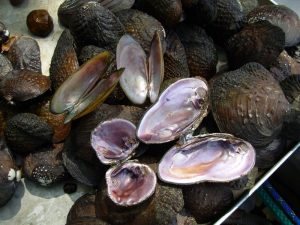
Flowing 269 miles through nine counties in Middle Tennessee, the Duck River is the most biodiverse river in North America. It is home to 22 aquatic snail species, 56 mussel species, and 151 fish species. Many species in the Duck are federally listed as endangered or threatened, including a few whose only remaining viable populations are found in the river.

Supports globally rare aquatic life, with species found nowhere else on Earth
Serves as the drinking water source for nearly 250,000 Tennesseans
Provides critical water for Middle Tennessee’s growing population and industries
Draws over 150,000 paddlers, anglers, and outdoor enthusiasts each year
Anchors the outdoor recreation economy across seven counties
Holds deep cultural importance to Indigenous peoples including the Muscogee (Creek), Yuchi, Chickasaw, Choctaw, Cherokee, Shawnee, and Seneca
Includes major cultural heritage sites like the Duck River Temple Mounds and the Duck River Cache

Protecting the Duck River means protecting clean water, cultural legacy, and one of the planet’s most exceptional freshwater ecosystems.

What's going on?

Since March 2025, Harpeth Conservancy CEO Grace Stranch has served on Governor Bill Lee’s Duck River Watershed Planning Partnership, established through Executive Order 108 to develop long-term solutions that balance the region’s growing water needs with protection of the Duck River’s extraordinary ecological resources. 

Our work continues to focus on advancing science-based solutions, strengthening protections for the river, improving water management and conservation, and ensuring communities throughout the watershed have a voice in decisions affecting the Duck River.

Interested in learning more or getting involved? Email Marie at mariecampbell@harpethriver.org.

Explore the timeline below to see how the work to protect the Duck River has evolved, and what’s happening now.

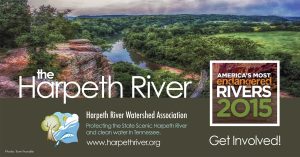
In 2015, American Rivers named the State Scenic Harpeth River among America’s Most Endangered Rivers, highlighting major threats to water quality and public health: sewage pollution and excessive water withdrawals.

Guided by the leadership of Harpeth Conservancy, the national attention galvanized state and local decision-makers with large community support to tighten state-required permits on both sewer discharges and water withdrawals to improve water quality, especially during the critical summer low-flow season when recreational use is highest.

State-of-the-art technology to remove nutrient pollution was included in the City of Franklin’s expanded sewer plant, the largest by far on the Harpeth River, which has cut the phosphorus pollution by over half in the following years.

Being listed as one of the Most Endangered Rivers in 2015 was critical in uniting the community to protect this valuable resource!

Harpeth MER Graphic

In April 2024, American Rivers named the Duck River to its annual list of Most Endangered Rivers. The Duck River is one of the top three most biodiverse rivers in the world. Used locally for drinking water, agriculture, and large-scale manufacturing processes, demand for water from the Duck is rapidly outpacing what the river can sustainably provide. Overconsumption of the Duck River’s water threatens its invaluable fish and wildlife and its long-term use by local communities. The Tennessee Department of Environment and Conservation must protect this incredible waterway by developing a comprehensive watershed plan and funding much-needed scientific studies to understand the flow needs of the river and ensure its long-term health.

About American Rivers

About American Rivers Graphic

For 50 years, the public interest organization American Rivers (AR) has been a national leader protecting and restoring rivers throughout the U.S.

Each year, American Rivers releases its list of America’s Most Endangered Rivers® (MER), spotlighting ten rivers where human health and safety are at risk. The report "amplifies the voices of local partners and spotlights decisions that will determine the fates of the rivers."

Local groups across the U.S. nominate rivers for inclusion on the MER list, and AR selects rivers based on three criteria:

  1. The significance of the river to people and wildlife
  2. The magnitude of the threat to the river and communities, especially in light of climate change and environmental injustice
  3. Whether there is a decision in the next 12 months that the public can influence

Harpeth Conservancy, Southern Environmental Law Center, and Tennessee Wildlife Federation nominated the Duck River as part of an on-going campaign to protect the river, now and for future generations.

ABOUT

Tennessee’s environmental agency, the Tennessee Department of Environment & Conservation (TDEC) has a series of proposed and expanded water withdrawals (by drinking water utilities) from one of the most biodiverse rivers in the world—the Duck River—which flows through Middle Tennessee. These withdrawals will pull water from parts of the river designated as scenic and Exceptional Tennessee waters, and they add up to an estimated 35% increase in one of the fastest growing areas of the state... but the Duck isn’t getting any bigger!

We want to see a long-term, science-driven plan for this area that can both protect the Duck while also ensuring safe, reliable drinking water for local communities as they plan for growth.

Last month, Harpeth Conservancy (HC) provided our analysis on the first of seven draft water withdrawals proposed by TDEC for the upper Duck River. In those comments, we thanked TDEC for coordinating utilities’ withdrawals along the river, but we also pointed out that state permits shouldn’t let communities take too much water without having to prove that the river, endangered species, and downstream communities will also have enough clean water.

HC supports the agency’s decision to require water withdrawal permits and to set limits during low-flow conditions—but we believe these steps don’t yet go far enough. The permits must be strengthened.

Why Harpeth Conservancy Wants TDEC to Strengthen the Permits

The Duck River supports over 650 aquatic species: 151 fish, 56 freshwater mussels, 22 aquatic snails, and at least 225 types of aquatic insects, crustaceans, and worms. Mussels like the Birdwing Pearlymussel, Cumberland Monkeyface, and Duck River Dartersnapper are more than fascinating—they’re critical water filters that help clean our water.

The current permits don’t fully account for how the Duck River naturally drops into low-flow conditions during the summer. These permits would allow year-round withdrawals—even when flow is at its most vulnerable. 150 miles of the Duck are critical habitat for federally protected species. TDEC must consider seasonal and climate impacts when issuing permits.

Permits can’t authorize degradation caused by withdrawing water without stepping through some important hoops, including evaluation of alternatives and the balance between development and ecological integrity.

Governor Bill Lee signed Executive Order 108 to elevate water resource protection in Tennessee. The order emphasizes the Duck River's most biodiverse status and importance as a drinking water source and outlines future budget initiatives and the creation of a planning partnership.

View the Article

The Duck River Watershed Planning Partnership was launched to coordinate comprehensive water resource strategies. The Partnership will:

  • Balance growth with environmental conservation
  • Advise agencies and state leadership
  • Promote regional solutions, drought resilience, and reduced water loss
  • Engage local communities, utilities, and conservation organizations

Read the Full Announcement

Duck River Watershed Planning Partnership meeting

FROM PLANNING TO ACTION

Throughout 2025, the Duck River Watershed Planning Partnership began developing recommendations to balance growing water needs with protection of the Duck River. Three working groups were created to focus on regional water solutions, drought management, and conservation, water loss reduction, public education and community engagement.

Harpeth Conservancy CEO Grace Stranch serves as chair of the Conservation, Water Loss, Public Education & Community Engagement Working Group, helping advance strategies focused on watershed protection, water conservation, public education, community involvement and long-term resilience.

The Partnership also expanded opportunities for residents to participate in the planning process. A community survey conducted from July through October 2025 received 824 responses from across the Duck River Watershed, providing insight into residents' priorities and concerns related to river health, water supply, growth, recreation and conservation.

Read the Duck River Community Survey Final Report

Read the Working Group Recommendations

A ROADMAP FOR THE DUCK RIVER

On November 20, 2025, the Duck River Watershed Planning Partnership submitted its Initial Report and Recommendations, bringing together the Partnership’s work, public input and recommendations developed through its three working groups.

The report includes 18 initial recommendations organized around short-, medium- and long-term actions to strengthen water resource management throughout the Duck River Watershed.

10 Short-Term 0–2 years
5 Medium-Term 3–5 years
3 Long-Term 5+ years

Near-term recommendations focus on actions such as strengthening drought planning, completing a watershed-wide water needs analysis, studying opportunities for regional water and wastewater solutions, reducing water loss, improving access to watershed data, and expanding public education and outreach.

Medium- and long-term recommendations look further ahead at strategies to strengthen drought resilience, protect and improve habitat, encourage watershed-wide planning and conservation, improve water-use efficiency, and evaluate long-term solutions for a reliable water supply.

Together, the recommendations are intended to help protect the Duck River’s ecological integrity while ensuring communities throughout the watershed have access to clean, reliable water now and into the future.

Read the Full Initial Report & Recommendations

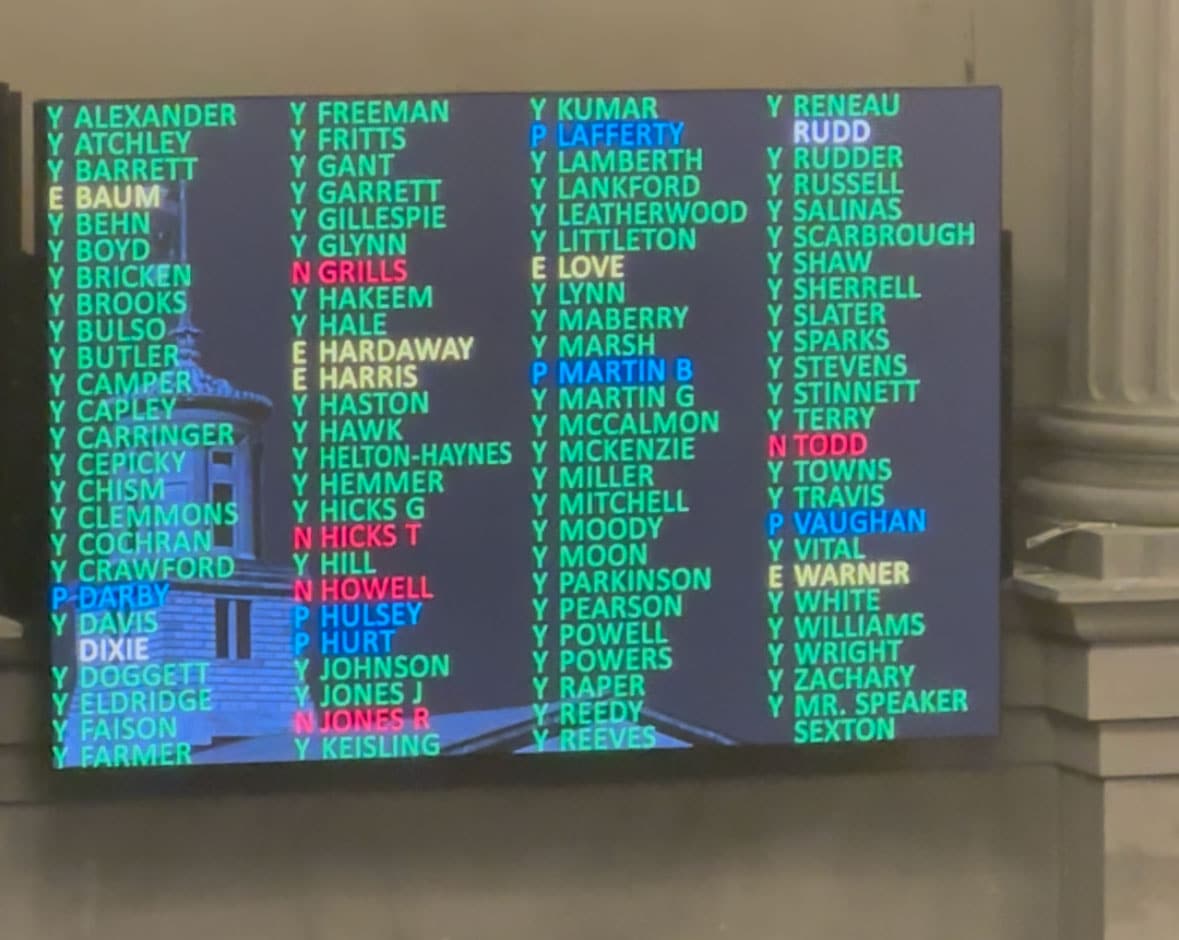
Tennessee General Assembly during consideration of expanded Scenic River protections Tennessee House vote on expanded Scenic River protections

A MAJOR STEP FOR RIVER CONSERVATION

In 2026, the Tennessee General Assembly passed HB 1510 / SB 1590, significantly expanding the portions of the Duck River protected through Tennessee's State Scenic Rivers program.

The legislation designates the entire Duck River, except the portion within Normandy Reservoir, as a Class II Pastoral River Area. It also expands scenic river designations for the Buffalo River and several Duck River tributaries, including portions of Beaverdam Creek, Lick Creek, Piney River and Swan Creek.

State Scenic River designation recognizes the Duck River's exceptional natural, scenic, recreational and ecological value and strengthens the framework for protecting this extraordinary Tennessee resource for future generations.

Read HB 1510 / SB 1590

The work is continuing. The Partnership is now building on its initial recommendations and moving toward its final recommendations for the Duck River Watershed.

LOOKING AHEAD

Throughout 2026, the Duck River Watershed Planning Partnership has continued advancing science-based strategies for the watershed, including work related to drought resilience, regional water planning, conservation, water loss reduction, public education and community engagement.

The Partnership is also evaluating new scientific studies and planning tools intended to provide a clearer understanding of current and future water needs across the watershed and help state and local leaders make informed decisions about the Duck River's future.

Final Report and Recommendations are expected by December 2026. Harpeth Conservancy will continue participating in the Partnership process and advocating for solutions that protect the ecological health of the Duck River while ensuring clean, reliable water for the communities that depend on it.

View the Partnership's Planning Timeline & Deliverables

Visit the Duck River Watershed Planning Partnership

Down the Duck: A Revil in Peril, A Community in Action
with John Guider

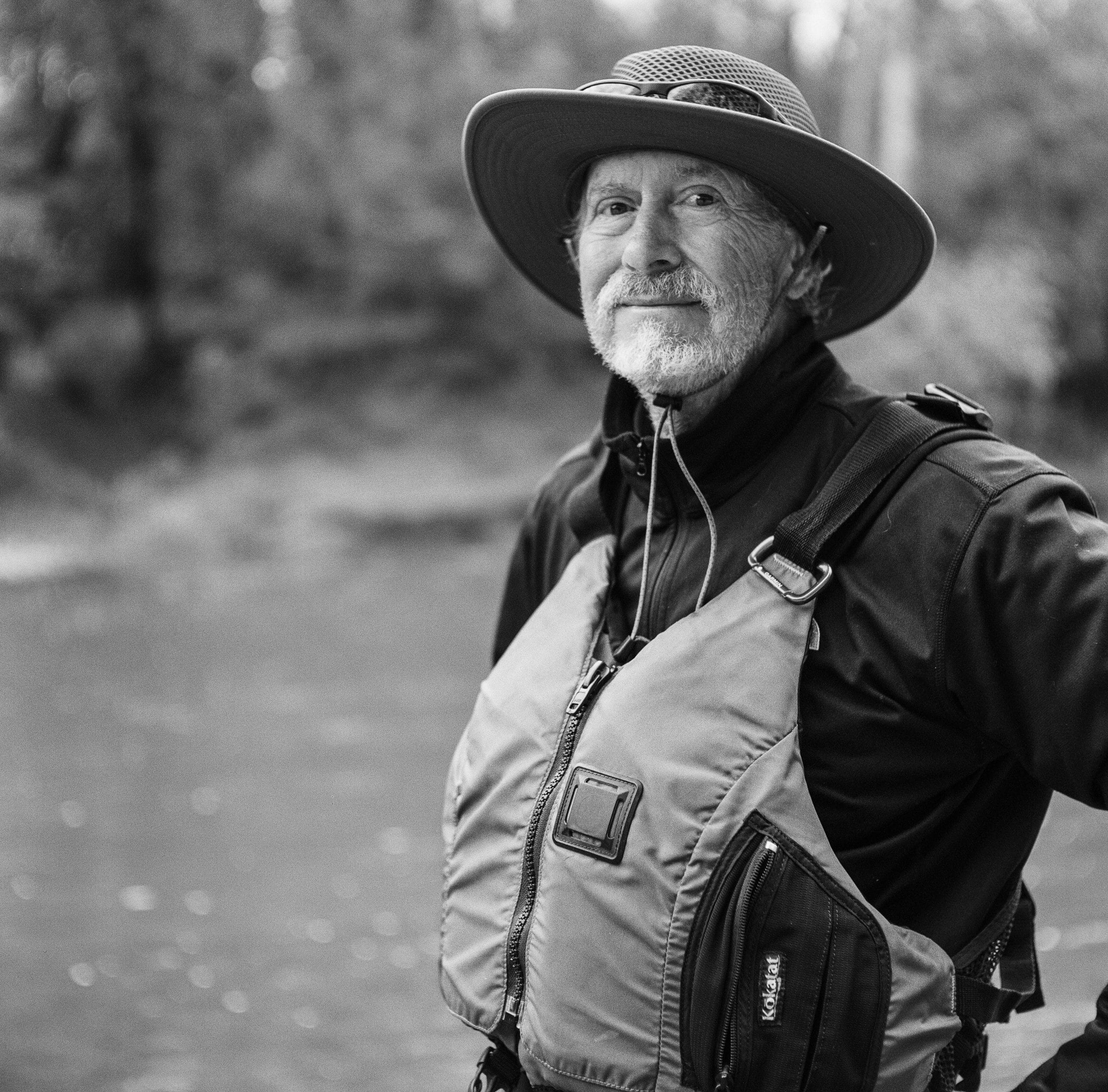
John Guider on the Duck River

In Down the Duck with John Guider, septuagenarian photographer John Guider canoes 270 miles of one of the world’s most ecologically diverse and threatened rivers.

His journey reveals the Duck River’s beauty, history and communities, weaving together voices from historians, ecologists, conservationists and local residents. Along the way, John also confronts the physical demands and unexpected dangers of traveling the river by canoe.

Produced by Archaea in partnership with Harpeth Conservancy and Nashville PBS, Down the Duck with John Guider premiered in 2026 and is now available to stream on PBS.org and through the PBS app.

📄 Download the Fact Sheet

Watch Down the Duck

Get a glimpse of John Guider’s 270-mile journey down Tennessee’s Duck River, then stream the full documentary on PBS.

Bringing the Duck River Story to Communities Across Tennessee

During spring and summer 2026, Down the Duck screenings brought people together across Tennessee to experience the river on screen and continue the conversation through panels featuring scientists, conservationists, community leaders, outdoor recreation advocates and the filmmakers themselves.

1,035 people attended in-person screenings in 2026

2026 Film Screenings

Explore the screenings and conversations that brought Down the Duck to communities across Tennessee.

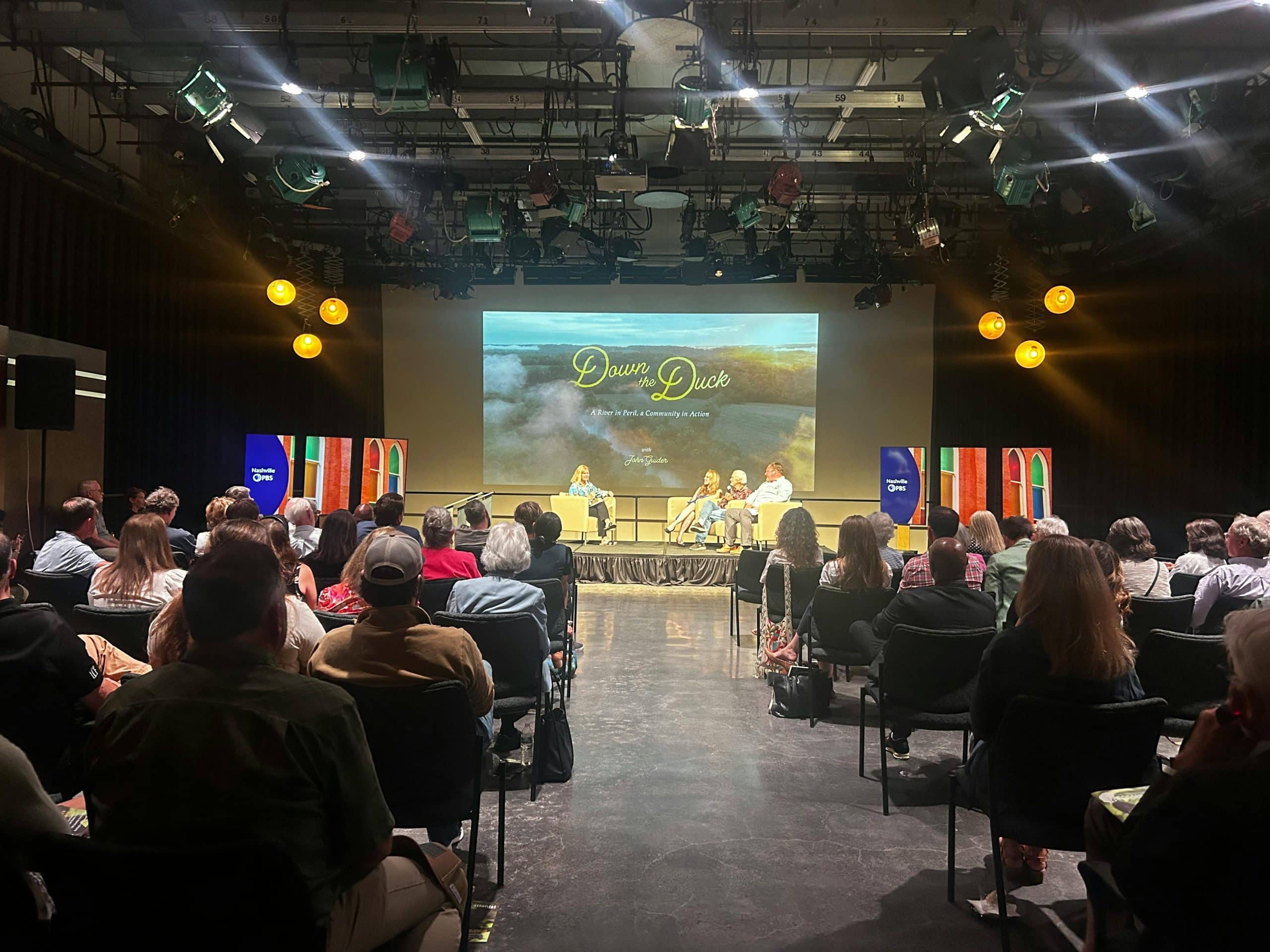
Down the Duck officially premiered during Earth Month to a sold-out crowd at Nashville PBS.

The screening was followed by a panel discussion featuring John Guider, Andy Duensing and Josh Duensing of Archaea Productions, and Grace Stranch, CEO of Harpeth Conservancy, moderated by Demetria Kalodimos.

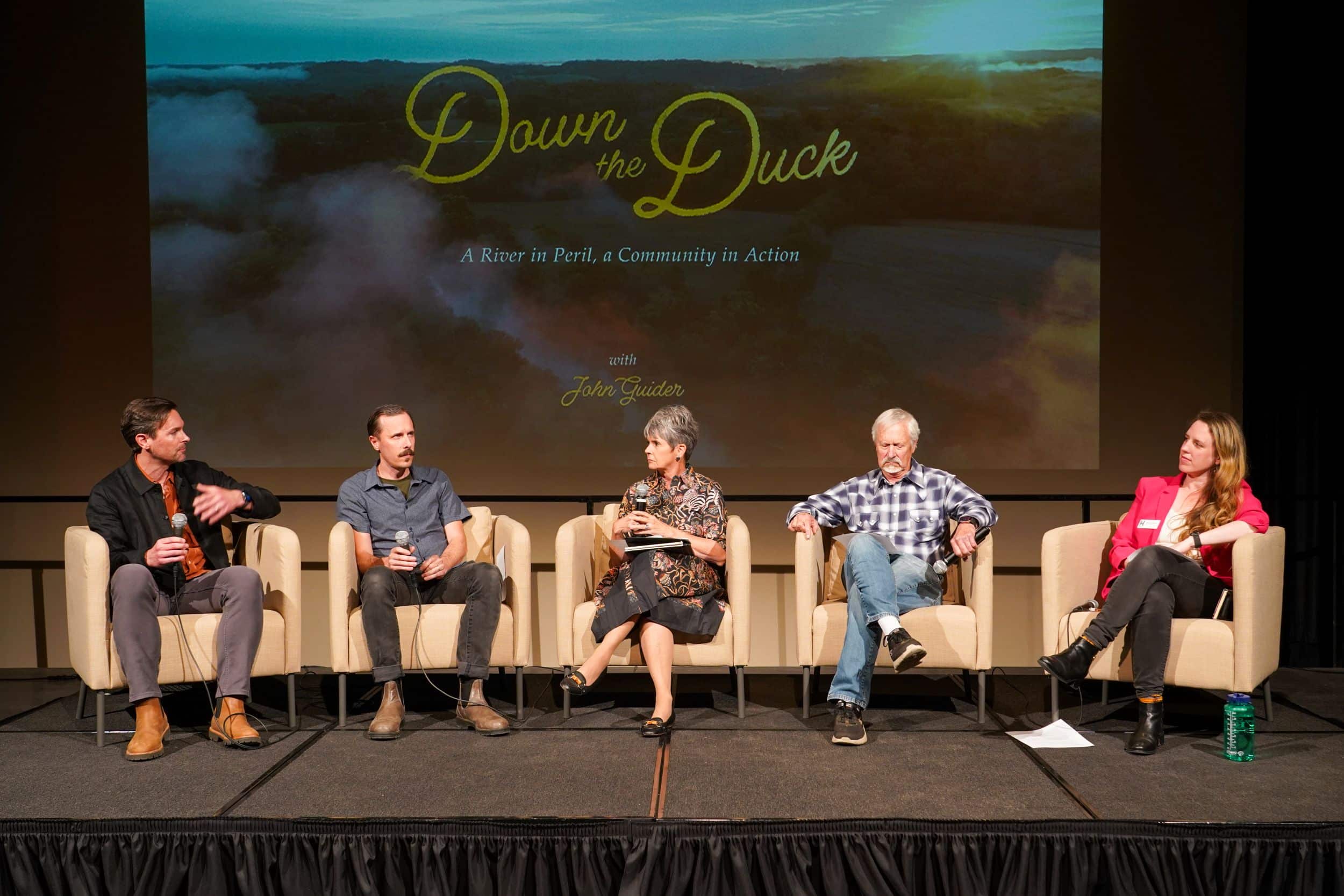
The film premiered in the Duck River Watershed to a sold-out crowd at The Mulehouse in Columbia, Tennessee, co-hosted by Friends of the Duck River, Nashville PBS and Harpeth Conservancy.

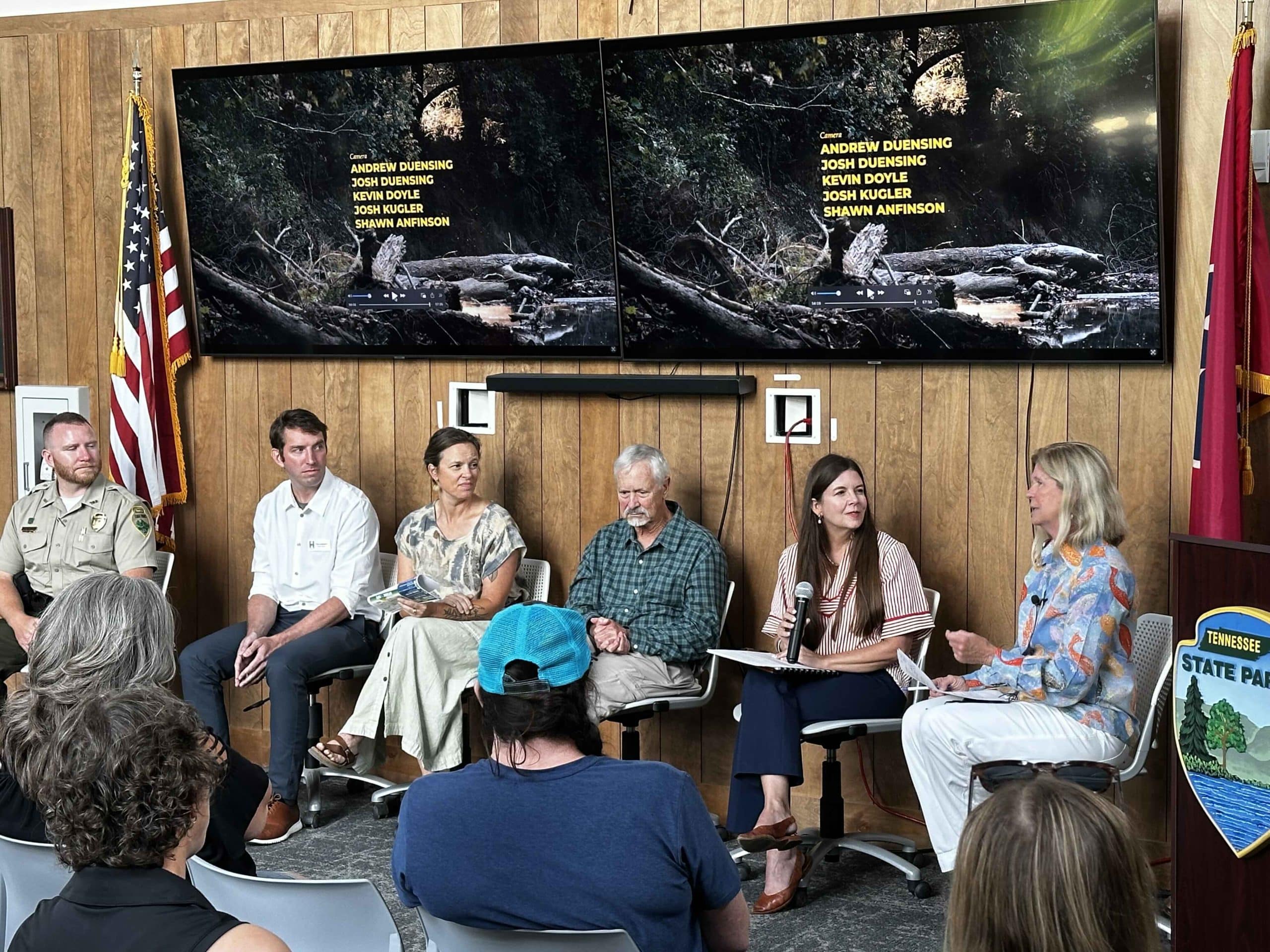
The panel featured John Guider, Sarah Gilliam of Friends of the Duck River, Becky Magura of Nashville PBS, April Grippo of the Tennessee Department of Environment and Conservation, and Grace Stranch of Harpeth Conservancy. The discussion was moderated by Marie Campbell of Harpeth Conservancy.

Nashville PBS, TennGreen Land Conservancy, The Nature Conservancy and Harpeth Conservancy co-hosted a second Nashville screening.

A panel discussion featured John Guider, John McEwen of The McEwen Group and Grace Stranch of Harpeth Conservancy, moderated by Becky Magura, President and CEO of Nashville PBS.

Henry Horton State Park, Nashville PBS and Harpeth Conservancy co-hosted a screening during the park's Duck River Expo.

The panel featured John Guider, Shaun Rainone of Henry Horton State Park, Ryan Jackwood of Harpeth Conservancy, Sarah Gilliam of Friends of the Duck River and April Grippo of TDEC, moderated by Becky Magura of Nashville PBS.

The Duck River Watershed Society and Harpeth Conservancy co-hosted a community screening of Down the Duck at Common John Brewing Company in Manchester, Tennessee.

Patagonia hosted a screening at its Nashville location alongside Nashville PBS, Harpeth Conservancy and TennGreen Land Conservancy.

The panel discussion included John Guider, Josh Duensing of Archaea Productions and Ryan Jackwood of Harpeth Conservancy, moderated by Becky Magura of Nashville PBS.

The Tennessee River Basin Network screened the film during its conference social hour.

A panel discussion featured John Guider, Ryan Jackwood of Harpeth Conservancy, Sarah Gilliam of Friends of the Duck River and Dawn Nelson of Higher Pursuits, moderated by Harpeth Conservancy Communications Manager Jess Martin.

National Association of Wetland Managers
Wetlands: Changing the Narrative

Generations of Conservation Along the Duck River | Bill & John McEwen
Video 2
Video 3

About The Project

Wetlands: Changing the Narrative highlights the vital role wetlands play in supporting communities, ecosystems, and livelihoods. This initiative showcases the efforts of hunters, anglers, ranchers, and small family farmers who depend on healthy wetlands and are actively working to protect them. This series, launching in Tennessee, will explore how individuals are making a lasting impact through stewardship, science, engineering, and dedication. Through their stories, we aim to inspire a deeper appreciation for wetlands and the essential role they play in preserving our natural heritage.

National Association of Wetland Managers (NAWM): For over 40 years, the National Association of Wetland Managers has been dedicated to protecting and restoring the nation’s wetlands through science-based policy, education, and collaboration. NAWM works with federal, state, and tribal agencies, conservation groups, and local communities to advance wetland management, ensuring these critical ecosystems remain healthy and resilient. Through research, training, and advocacy, NAWM empowers decision-makers and practitioners to safeguard wetlands for future generations.

Press & Media Coverage

News Articles (2023-Present)

MARCH

APRIL

MAY

JUNE

AUGUST

SEPTEMBER

OCTOBER

NOVEMBER

DECEMBER

FEBRUARY

MARCH

APRIL

JUNE

JULY

Related Posts

Clean Water Protection

Duck River Permits

The Tennessee Department of Environment & Conservation (TDEC) is asking for public comments on a series of proposed and expanded water withdrawals (by drinking water utilities) from one of the most biodiverse rivers in the world—the Duck River—which flows through Middle Tennessee.

Read More »